

Solar EPC vs Traditional Solar Installation: What’s the Difference?
Renewable energy harnessed from solar power offers a sustainable and eco-friendly solution to meet the worlds.
Solar EPC vs Traditional Solar Installation: What’s the Difference?
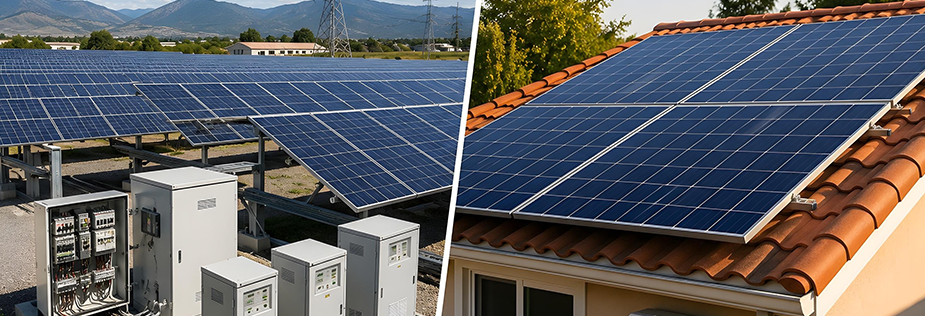
As solar adoption accelerates across India, businesses are no longer asking whether they should invest in solar energy—they are asking how to execute their projects. The choice between a Solar EPC model and a traditional solar installation approach can significantly impact project timelines, system performance, long-term returns, and operational efficiency.
Today, many commercial and industrial organizations prefer to work with experienced EPC companies in India because they offer complete project ownership from design through commissioning. In contrast, traditional installation models often involve multiple vendors, creating coordination challenges and accountability gaps.
Understanding the difference between these two approaches can help businesses make informed decisions when planning a solar investment.
Why the Solar Project Delivery Model Matters More Than Ever
Modern solar projects are becoming increasingly sophisticated. Businesses must consider factors such as energy consumption patterns, grid connectivity, regulatory compliance, equipment quality, and long-term maintenance.
A successful solar project depends on more than installing panels on a rooftop.
Key Challenges Businesses Face
- Delays caused by multiple vendors.
- Equipment procurement issues.
- Compliance and approval complexities.
- Performance monitoring requirements.
- Long-term maintenance responsibilities.
These challenges have increased the demand for professional EPC solar companies that can manage the entire project lifecycle under a single contract
Understanding Traditional Solar Installation
Traditional solar installation typically involves separate vendors handling different parts of the project. One company may provide system design, another supplies equipment, while a third performs installation.
Although this model may appear flexible, it often requires active project management from the client.
Typical Structure of Traditional Installation
- Independent design consultants.
- Separate equipment suppliers.
- Third-party installation teams.
- Individual maintenance providers.
- Multiple service agreements.
Advantages of Traditional Installation
- Greater flexibility in selecting vendors.
- Potential control over component selection.
- Suitable for smaller residential projects.
Challenges of Traditional Installation
- Multiple points of responsibility.
- Longer coordination timelines.
- Increased risk of communication gaps.
- Difficulty identifying accountability during performance issues.
- Higher project management involvement from the client.
For small residential systems, this approach may work effectively. However, larger commercial and industrial projects often require a more integrated solution.
What Makes Solar EPC Different?
The EPC model stands for Engineering, Procurement, and Construction. Under this approach, a single provider manages every phase of the project.
Leading solar EPC contractors handle:
- Site assessment and feasibility studies.
- Engineering and system design.
- Equipment procurement.
- Installation and commissioning.
- Testing and quality assurance.
- Performance monitoring and maintenance support.
This creates a streamlined execution process with one accountable partner overseeing the entire project.
Benefits of the EPC Model
- Single-point responsibility.
- Faster project execution.
- Better cost predictability.
- Reduced project risks.
- Improved quality control.
- Simplified communication.
Many top solar EPC companies in India are also integrating digital monitoring platforms, predictive maintenance tools, and advanced analytics to maximize long-term system performance.
Why Commercial and Industrial Businesses Prefer EPC Today
Commercial and industrial organizations are increasingly treating energy as a strategic business asset rather than a utility expense. As a result, they prioritize reliability, performance, and predictable returns.
The EPC model aligns well with these objectives.
Why Businesses Choose EPC Solutions
- Faster implementation timelines.
- Reduced internal resource requirements.
- Better compliance management.
- Improved energy generation performance.
- Simplified vendor coordination.
- Long-term operational support.
For manufacturing facilities, warehouses, industrial parks, and commercial buildings, a delay in project execution can directly impact expected savings. Working with experienced EPC companies in India helps minimize these risks while ensuring smooth project delivery.
EPC vs Traditional Installation: A Quick Comparison
Traditional Solar Installation
- Multiple vendors are involved.
- Shared project responsibility.
- Higher coordination effort.
- Suitable for smaller projects.
- Limited post-installation support.
Solar EPC Model
- A single contractor manages the entire project.
- End-to-end accountability.
- Faster execution.
- Better project visibility.
- Stronger performance monitoring and O&M support.
This difference in accountability is one of the primary reasons why businesses increasingly choose professional EPC solar companies for medium and large-scale projects.
Which Solar Project Model Is Right for Your Business? EPC or Traditional?
The ideal choice depends on project size, complexity, and internal resources.
Traditional Installation May Be Suitable If:
- The project is relatively small.
- You prefer managing multiple vendors.
- You have in-house technical expertise.
EPC Is Often the Better Choice If:
- The project is commercial or industrial.
- Timely execution is critical.
- Long-term performance matters.
- You want a single accountable partner.
- You seek comprehensive support from design through commissioning.
As solar technology continues to evolve, the ability to manage engineering, procurement, compliance, installation, and maintenance through a single provider is becoming increasingly valuable.
Conclusion
Choosing between Solar EPC and traditional solar installation is ultimately a decision about accountability, efficiency, and long-term performance.
Key Takeaways
- Traditional installation relies on multiple vendors and shared responsibilities.
- Solar EPC offers end-to-end project ownership.
- EPC models reduce execution risks and simplify project management.
- Commercial and industrial businesses increasingly prefer EPC solutions.
- Long-term monitoring and maintenance support are critical for maximizing ROI.
As organizations continue investing in renewable energy, partnering with experienced solar EPC contractors can help ensure reliable project execution and long-term energy savings. With extensive expertise in solar project development and execution, Sunpro Renewable Energy supports businesses with comprehensive EPC solutions that deliver efficiency, performance, and sustainable growth.

sunpro_admin