

DCR and Non-DCR Solar Panels Explained: What Industrial and Commercial Buyers Need to Know
Renewable energy harnessed from solar power offers a sustainable and eco-friendly solution to meet the worlds.
DCR and Non-DCR Solar Panels Explained: What Industrial and Commercial Buyers Need to Know
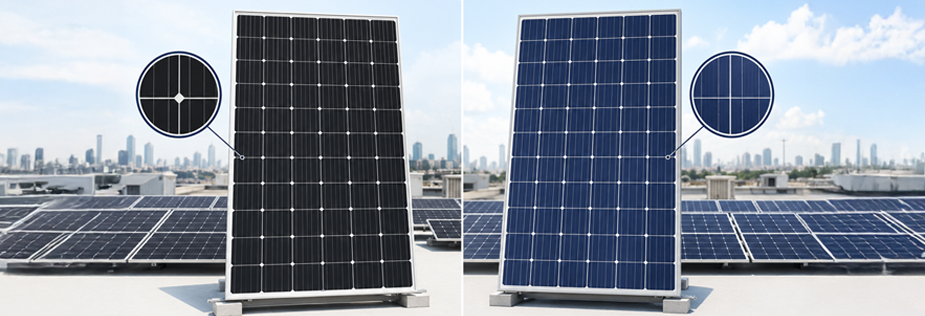
As you go through the process of installing solar energy systems in your plant, warehouse, or commercial building, chances are high that you have come across terms like DCR and Non-DCR panels when going through different solar solutions available on the market. Many new buyers tend to get confused between the two; however, this is one of the key aspects affecting project planning and implementation.
What Does DCR Actually Mean?
DCR means Domestic Content Requirement. In layman’s language, DCR panels are made from solar cells and modules that are 100 per cent made in India according to the instructions of the Ministry of New and Renewable Energy (MNRE). All the processes, from making a cell to making a module, should be done in India for a panel to be called DCR.
Non-DCR panels may, however, employ imported cells, even though manufactured in India or imported as a whole lot. Technically, both types are equally efficient, widespread in the market, and different only in manufacturing location, type of certification, and sometimes eligibility to participate in certain projects.
Key Differences Between DCR and Non-DCR Solar Panels
- Manufacturing location: DCR panels contain India-manufactured cells and modules; Non-DCR panels typically have imported cells.
- Eligibility of participation in certain tenders/projects: Some tenders from the government or public sector demand DCR-certificate panels only.
- Flexibility: Non-DCR panels sometimes give broader technology options because manufacturing companies can use global sources.
- Price dynamics: Price varies depending on import duty rates, exchange rate, and local manufacturing capacity.
- Certification process: Both types must obtain BIS (Bureau of Indian Standards) certification, hence no difference in performance reliability.
How to Select the Best Type of Solar Panel for Your Company?
Choosing the type of solar panel for an industrial/commercial company is a matter of the particular project rather than personal preferences. An industrial manufacturing company that is going to implement a rooftop or ground solar panel system for captive consumption has more flexibility, whereas companies that participate in government utility tenders should follow DCR rules.
Few aspects to consider before making a decision:
- Your tender/project specifics
- Reliability of supply chain and after-sales support
- Terms and conditions of the warranty offered by the manufacturing company
- Budget and performance requirements
- Timeline flexibility, since import-dependent panels can face logistics delays
This is exactly where working with experienced solar EPC contractors becomes valuable. A knowledgeable partner can assess your facility’s power requirements, project type, and compliance needs, then recommend the panel category that aligns with your business goals rather than pushing a one-size-fits-all solution
Why the EPC Partner You Choose Matters
Selecting between DCR and Non-DCR panels is only one piece of a larger puzzle. The real value comes from end-to-end execution — site assessment, design, procurement, installation, and maintenance. This is where EPC services solar providers play a critical role, managing every stage so businesses don’t juggle multiple vendors or worry about technical mismatches.
However, while evaluating any company offering EPC for solar energy in India, it is vital to look into whether the company has experience in working on big projects and if the company is transparent about their panels and their customer service. Companies from South India like to find solar EPC companies based in Chennai.
A reliable EPC partner will also help you compare panel wattage, efficiency ratings, and degradation rates across DCR and Non-DCR options, ensuring your investment delivers consistent returns over its operational lifetime — typically 25 years or more.
Making the Right Call for Your Facility
In conclusion, either DCR or Non-DCR will be able to supply the power for an efficient solar panel system as long as they are installed properly. This is not something that you should make your mind up about alone; you should have a discussion with your EPC on this matter.
This is where SunPro Renewable Energy Pvt Ltd brings real value to the table. As a team focused exclusively on industrial and commercial solar solutions, SunPro Renewable Energy Pvt Ltd helps businesses navigate panel selection, EPC execution, and long-term system performance — ensuring every installation is built around what actually works for the facility, not just what’s trending in the market. Whether your project calls for DCR compliance or the flexibility of Non-DCR sourcing, partnering with the right EPC services solar team makes all the difference in getting a system that performs reliably for decades.

sunpro_admin