

Structural Design Services for End-to-End Solar EPC Solutions
Renewable energy harnessed from solar power offers a sustainable and eco-friendly solution to meet the worlds.
Structural Design Services for End-to-End Solar EPC Solutions
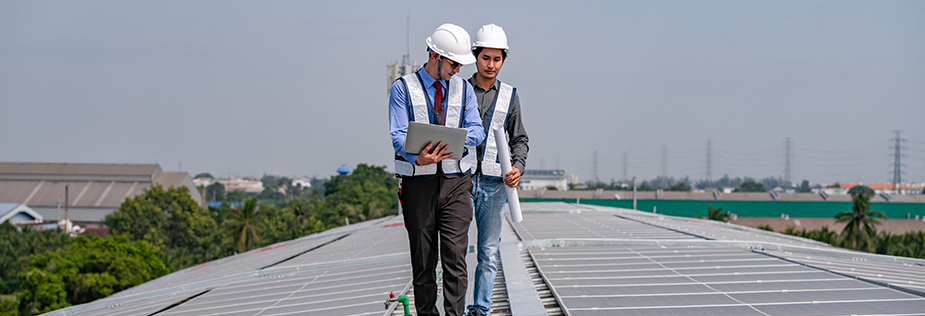
The rapid growth of renewable energy projects has increased the demand for reliable and efficient solar infrastructure. One of the most important aspects of any solar EPC project is high-quality Structural Design that ensures durability, safety, and long-term performance. From rooftop solar systems to large-scale utility projects, structural engineering plays a critical role in supporting solar panels, transmission structures, and mounting systems under varying environmental conditions.
A strong Structural Design approach helps solar power plants withstand wind loads, seismic activity, heavy rainfall, and long-term operational stress. It also improves installation efficiency and reduces maintenance costs over time.
Importance of Structural Design in Solar EPC Projects
In solar Engineering, Procurement, and Construction (EPC) projects, structural engineering serves as the backbone of the entire installation. Proper Structural Design ensures that every component of the solar power plant is securely positioned and capable of delivering consistent performance.
Key benefits of effective structural engineering include:
- Improved stability for solar mounting systems
- Enhanced resistance to environmental conditions
- Better load distribution and structural safety
- Increased lifespan of solar infrastructure
- Reduced maintenance and repair costs
Without proper structural planning, solar systems may experience alignment issues, reduced energy efficiency, or premature damage.
Key Components of Structural Design for Solar EPC Solutions
Every solar project requires customized structural planning based on location, project size, and energy requirements. Structural engineers carefully evaluate various technical aspects before installation begins.
Site Analysis and Load Assessment
The first step in Structural Design involves analyzing the project site and identifying potential structural challenges.
This process includes:
- Soil testing and foundation analysis
- Wind load calculations
- Seismic zone evaluation
- Terrain and elevation assessment
- Environmental impact considerations
Proper analysis helps engineers create safe and stable structural systems for solar installations.
Solar Module Mounting Structures
Mounting structures are essential for supporting solar panels and maintaining optimal tilt angles for maximum sunlight exposure.
Professional Structural Design services focus on:
- Fixed tilt mounting systems
- Elevated solar structures
- Ground-mounted solar supports
- Rooftop solar frameworks
- Tracker-based solar structures
Efficient mounting systems improve energy generation while ensuring long-term reliability.
Foundation and Support Engineering
Solar projects require strong foundations capable of handling heavy structural loads and external environmental forces.
Foundation engineering includes:
- RCC foundation design
- Steel structure support planning
- Pile foundation systems
- Structural anchoring methods
- Corrosion protection strategies
These structural elements contribute to the overall durability and safety of solar plants.
Benefits of Professional Structural Design Services
Choosing experienced structural engineering teams offers several operational and financial advantages for solar EPC projects.
Enhanced Structural Stability
Well-designed structures reduce the risk of system damage caused by wind pressure, vibrations, or environmental stress.
Improved Project Efficiency
Accurate Structural Design helps streamline installation activities and minimizes construction delays.
Long-Term Cost Savings
Strong and reliable structures reduce repair costs, replacement expenses, and maintenance requirements over time.
Better Energy Performance
Proper structural alignment ensures solar panels receive maximum sunlight exposure for higher power generation.
Structural Design Challenges in Solar Power Projects
Solar EPC projects often face multiple engineering challenges that require specialized structural expertise.
Some common challenges include:
- Uneven terrain conditions
- High wind-speed regions
- Coastal corrosion exposure
- Heavy rainfall and water drainage issues
- Large-scale transmission structure requirements
Professional structural engineers develop customized solutions to overcome these site-specific difficulties.
Role of Structural Engineering in Utility-Scale Solar Projects
Large utility-scale solar farms require highly advanced Structural Design planning to manage extensive infrastructure and high-capacity energy systems.
Structural engineers contribute to:
- Transmission yard structures
- Solar module support systems
- Cable tray and equipment platforms
- Inverter and transformer foundations
- High-voltage electrical infrastructure support
Their expertise ensures large-scale projects maintain operational efficiency and safety standards.
Sustainable Construction Practices in Structural Design
Modern solar EPC projects increasingly focus on sustainability and environmentally responsible construction methods.
Sustainable Structural Design practices include:
- Use of recyclable steel materials
- Optimized material consumption
- Lightweight structural systems
- Reduced carbon footprint construction methods
- Energy-efficient fabrication processes
These practices support the long-term environmental goals of renewable energy projects.
Technologies Used in Modern Structural Design
Advanced technologies help engineers create more precise and efficient solar infrastructure designs.
Popular technologies include:
- 3D structural modeling software
- Finite Element Analysis (FEA)
- Building Information Modeling (BIM)
- Structural simulation tools
- Automated load calculation systems
These tools improve design accuracy and reduce project execution risks.
Choosing the Right Structural Design Partner
Selecting a reliable structural engineering partner is essential for successful solar EPC project delivery.
Important factors to consider include:
- Experience in solar infrastructure projects
- Expertise in industrial structural engineering
- Compliance with safety and quality standards
- Ability to handle customized project requirements
- Strong technical and project management capabilities
A trusted engineering partner helps ensure project quality, safety, and long-term operational performance.
Conclusion
Efficient structural design is a critical part of successful end-to-end solar EPC solutions. From mounting structures and foundations to transmission infrastructure and safety compliance, professional structural engineering ensures durability, operational efficiency, and long-term project success.
As the renewable energy industry continues to grow, businesses require reliable engineering expertise to build high-performance solar infrastructure. SunPro Solar delivers advanced solar EPC solutions supported by quality-focused structural engineering services designed for sustainable and future-ready energy projects.

sunpro_admin